text.skipToContent text.skipToNavigation

Legrand High-Density Data Center Cooling

Data center cooling at the rack and cabinet level is the process of removing heat generated by IT equipment to maintain stable operating temperatures, protect infrastructure , and ensure predictable performance and longevity. As rack densities increase and workloads become more compute-intensive, effective cooling is critical to data center uptime and  efficiency. 

Data center cooling solutions generally fall into two categories: air cooling and liquid cooling, with both active and passive approaches depending on density and application.

Active data center cooling uses mechanically-driven systems to remove heat and support higher power densities. These solutions can be air-based or liquid-based, making them well-suited for high-performance data centers with AI workloads that often exceed 100 kW per rack.
 

Passive air cooling, such as aisle containment, reduces heat by managing airflow, optimizing thermal design, and exploiting temperature differentials. These solutions are typically suited for low- to mid-density environments where airflow optimization alone can maintain acceptable temperatures. 

Legrand Data Center Cooling Solutions

Understanding Data Center Cooling

What is a Rear Door Heat
Exchanger?

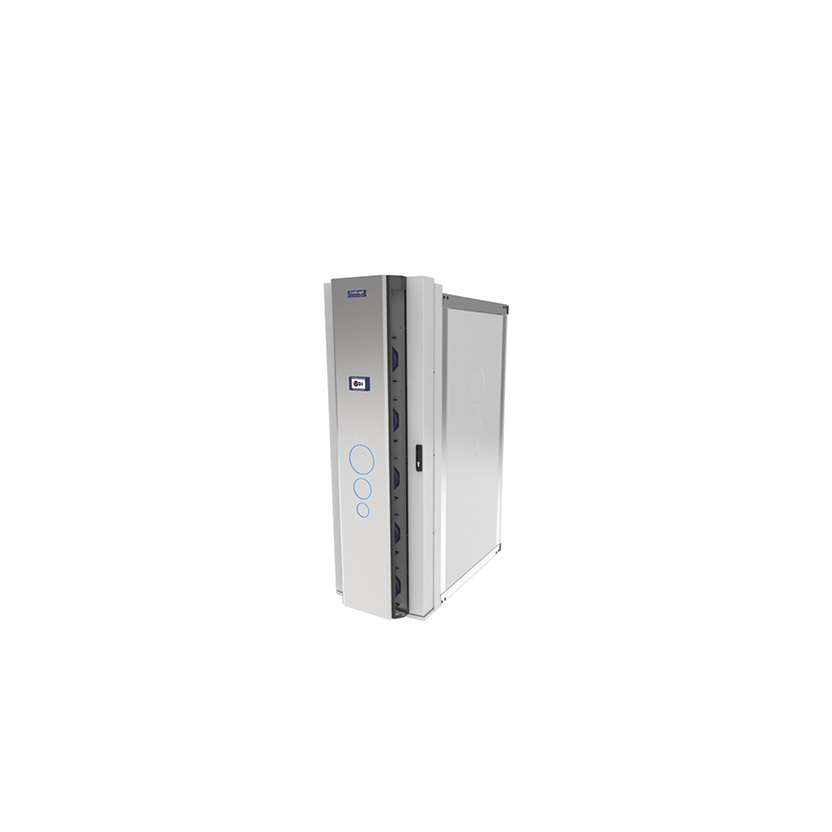
A rear door heat exchanger (RDHx) is a cabinet-mounted cooling solution installed on the back of a server cabinet that captures heat from server exhaust air before it enters the data center.
Using a liquid-to-air coil, heat is transferred from warm air to a liquid coolant, reducing the load on room-level cooling systems.

Ideal for medium- to high-density environments, RDHx provides localized cabinet cooling, improves energy efficiency, supports higher rack densities, and integrates easily with existing cabinet and cooling infrastructure

Learn More

What is a Two-Phase Direct-To-Chip Cooling?

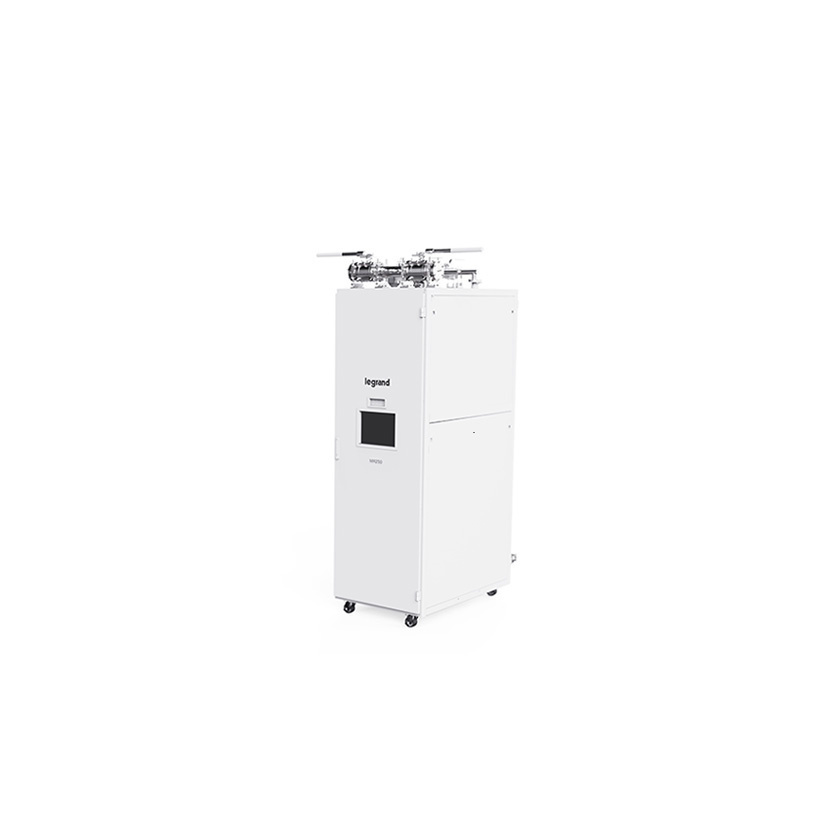
Two-phase direct-to-chip (DTC) cooling is an advanced thermal management solution for HPC and AI workloads that uses a non-conductive dielectric fluid to remove heat directly from CPUs and GPUs. As the fluid contacts hot components, it boils, changing from liquid to vapor, absorbing large amounts of heat, and delivering superior cooling at lower flow rates than single-phase systems.

Two-phase cooling is ideal for ultra-high-density environments exceeding 100 kW per rack, where air or single-phase liquid cooling cannot handle extreme thermal loads. This method supports tightly packed compute hardware while maintaining reliability, efficiency, and peak performance.

Learn More

What is an
aisle containment?

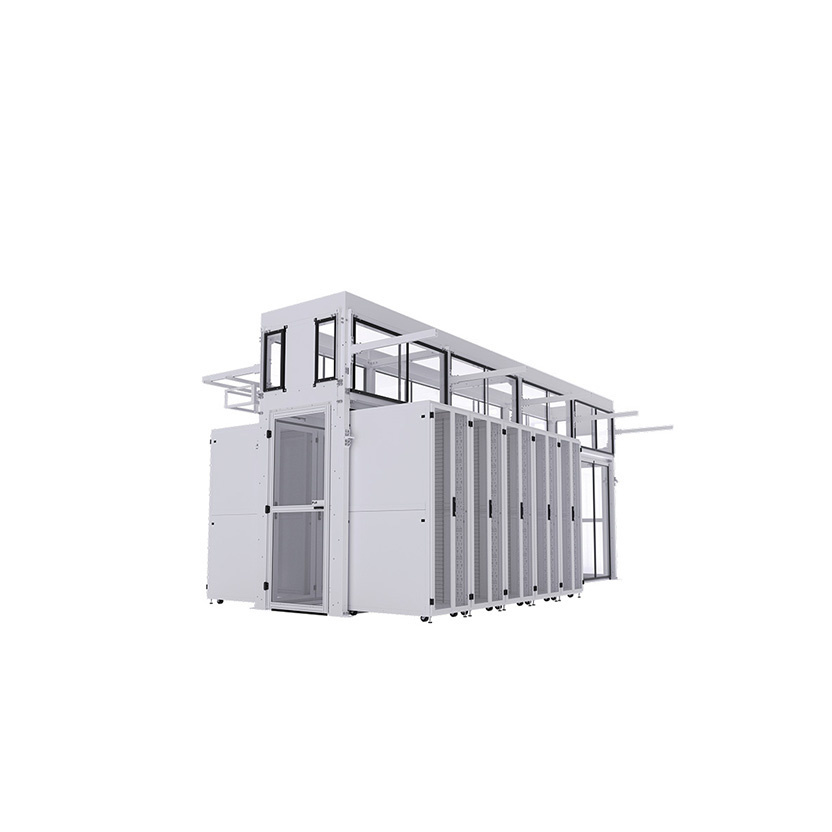
Aisle containment is a data center airflow management strategy that improves cooling efficiency by physically separating cold supply air from hot exhaust air using barriers such as doors, roof panels, and aisle partitions. By preventing hot and cold air from mixing, containment helps maintain consistent inlet temperatures for equipment, reducing cooling energy consumption, and eliminating hot spots. Systems typically include roof panels, sliding doors, vertical aisle panels, and blanking panels to seal unused rack spaces and maintain controlled airflow.

Aisle containment allows active cooling infrastructure to operate more efficiently and support higher rack densities. The two most common configurations are hot aisle containment (HAC), which encloses the hot exhaust aisle, and cold aisle containment (CAC), which encloses the cold air supply aisle.

Learn More


Check out our resources page for additional information on our cabinet & containment offerings.