Incentives for Networked Chargers
Discover incentives for Legrand’s Networked Level 2 EV Charger.
Legrand is established in nearly 90 countries
View all at Legrand.com
Networked & Non-Networked Incentives
EV charger incentives, including rebates, tax credits, and grants, help reduce the cost of installing EV charging infrastructure. Legrand’s Level 2 EV chargers may qualify for state, utility, and federal programs based on requirements such as reporting capabilities, energy efficiency, and certification standards.
Explore the resources below to understand available programs and see which incentives may apply to your project.
Power your EV project for less. Explore available rebates, grants and tax incentives in your region using this interactive map from the National Conference of State Legislatures.
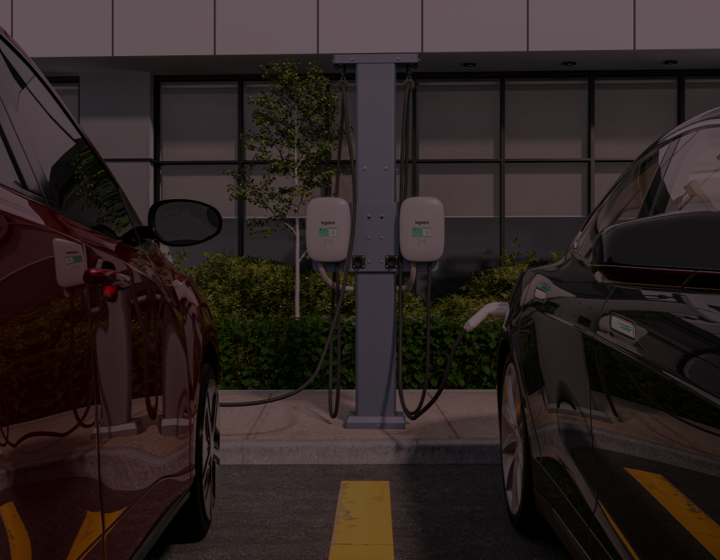
Discover incentives for Legrand’s Networked Level 2 EV Charger.
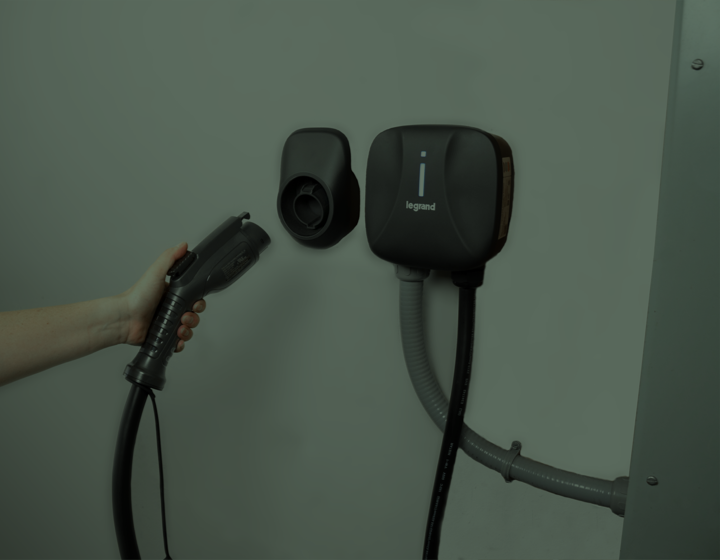
Discover incentives for Legrand’s Non-Networked Level 2 EV Chargers.
Many incentive programs share similar charger requirements. Legrand’s EV chargers are designed with these top features to ensure they are incentive-ready.
Eligibility varies by program, but many incentives are available to commercial property owners, workplaces, multifamily housing developments, municipalities, fleet operators, municipalities, fleet operators and home owners installing qualifying Level 2 EV charging infrastructure. Some programs may also include requirements around charger connectivity, energy monitoring or ENERGY STAR® certification.
Many EV incentive programs require chargers to meet specific technical standards, such as ENERGY STAR certification, network connectivity, usage reporting capabilities or safety certifications like UL listing. Requirements can vary by state, utility provider and funding program.
Yes. Many federal, state and utility incentive programs can help offset the cost of EV charging equipment, installation labor, electrical upgrades and related infrastructure. Available funding and reimbursement amounts vary depending on the project type and location.
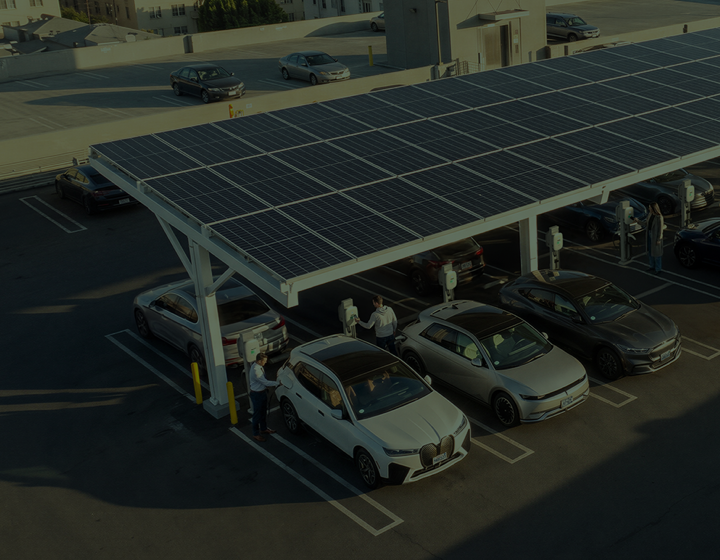
Explore our full suite of networked and non-networked EV charging solutions for commercial and residential applications.